
Key Takeaways
- Vision therapy trains your eyes and brain to work together more smoothly during reading.
- Both children and adults can experience visual problems that make reading harder than it needs to be.
- A personal vision therapy plan starts with a thorough eye evaluation.
- Vision Care Center serves families across central Illinois with two convenient locations in Peoria and Washington, IL.
Reading Is a Visual Skill, Not Just a Mental One
Reading feels simple, but your eyes are doing a lot of work behind the scenes. They have to move smoothly across each line (tracking), stay focused on small print (focusing), work together as a team to produce a single clear image (eye teaming), and send accurate signals to your brain, all at the same time. When any part of that process breaks down, reading can feel exhausting or frustrating, even if your vision seems “normal” during a standard eye test.
Yes, vision therapy can help improve reading skills by targeting the specific visual functions that make reading easier and more comfortable. It is not about making your eyes stronger in the traditional sense. It is about training how your eyes move, focus, and work together so that reading does not feel like a struggle.
What Vision Therapy Actually Does for Readers
Vision therapy is a structured program of activities designed to retrain how your eyes and brain communicate. Think of it like physical therapy, but for your visual system. Instead of strengthening a muscle after an injury, you are building new habits in how your eyes process what they see.
The program targets specific visual skills that are directly tied to reading, like how well your eyes track a line of text, how quickly they refocus, and how well both eyes cooperate. When those skills improve, reading often becomes noticeably easier and less tiring. You can learn more about the specifics of how vision therapy works and what to expect from a personalized program.
Signs Your Child or You May Have a Visual Reading Problem
Signs in Children
Children rarely say “my eyes hurt when I read.” Instead, you might notice your child skipping lines on the page, losing their place often, or sitting down to read and giving up after just a few minutes. These are easy signs to miss because they can look like disinterest or a learning difficulty rather than a vision problem.
Some children also describe words that seem to move, float, or blur on the page. If your child avoids reading, complains of tired eyes, or rubs their eyes often during reading time, a visual evaluation can help figure out what is going on. A children’s eye exam can uncover vision issues that a basic school screening might miss entirely.
Signs in Adults & Seniors
Adults and seniors can experience visual reading challenges too, and they often go unnoticed for years. Headaches after reading a book or working on a screen for a while are one of the more common signs. Rereading the same sentence repeatedly without retaining it is another, and it can be easy to write that off as just being tired.
These patterns can add up and affect work, hobbies, and daily life more than you might expect. Getting your visual system evaluated can point to whether a vision-related issue is part of the picture. Adult and senior eye exams go well beyond a basic vision check and can catch problems that have been quietly affecting your daily comfort for years.

How Vision Therapy Supports Reading Skills
Eye Tracking & Focus
Your eyes need to glide smoothly from one word to the next without jumping around or losing your place. Vision therapy includes activities that help train that smooth movement, so your eyes follow a line of text the way they are supposed to. When tracking improves, reading feels less choppy and more natural. Eye tracking problems are more common than most people realize and can have a real impact on reading fluency at any age.
Focus flexibility also plays a big role. If your eyes struggle to shift focus quickly, such as looking from a book to a whiteboard and back again, reading can become tiring fast. Vision therapy can help improve that flexibility over time.
Binocular Vision & Reading Flow
You have two eyes, and they need to work as a team. When they do not, your brain receives slightly mismatched information, which takes extra effort to sort out. That extra effort often shows up as eye strain, headaches, or difficulty staying focused on longer reading tasks. Binocular vision dysfunction is one of the more common reasons people of all ages find reading unusually tiring.
Vision therapy trains both eyes to coordinate properly, which can reduce that strain and make longer reading sessions feel much more manageable. Many people notice a real difference in their comfort and stamina once their binocular vision starts to improve.
What a Personal Vision Therapy Plan Looks Like
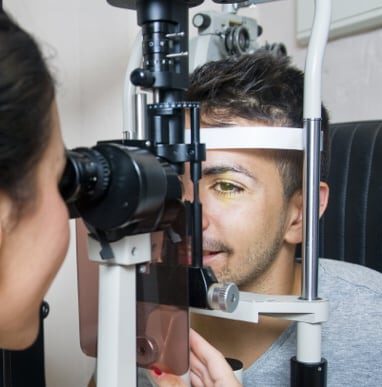
No two vision therapy plans look the same, because no two people have the exact same visual challenges. The process starts with a thorough eye evaluation to identify which specific visual skills need attention. From there, the doctor builds a plan around your individual needs rather than a one-size-fits-all approach. Vision therapy programs are designed to be personalized from the very first visit, covering everything from eye movement to how your visual system handles sustained tasks like reading.
Progress is checked regularly throughout the program so the plan can be adjusted as your visual skills develop. Some people notice changes within a few weeks, while others take longer depending on their starting point. The goal is steady, measurable improvement that carries over into everyday life.