Key Takeaways
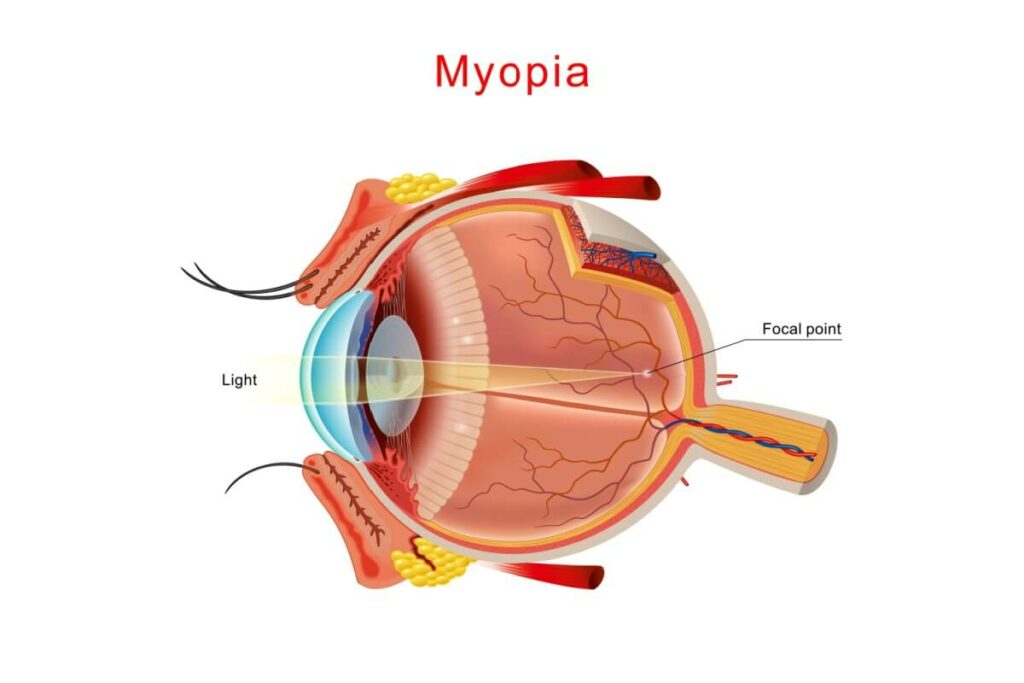
- Myopia causes blurry distance vision because light focuses in front of the retina.
- The structural changes from myopia are generally permanent, but vision can still be managed effectively.
- Early attention matters, especially for kids whose eyes are still developing.
- Specialty contacts, vision therapy, and routine exams can help slow progression.
- Simple daily habits support healthier vision at every age.
You notice your child squinting at the whiteboard, or maybe you find yourself leaning closer to read road signs that used to be easy to see. Myopia, commonly known as nearsightedness, is one of the most frequent vision changes people experience, and it often starts quietly before becoming harder to ignore. Vision Care Center works with families, adults, and seniors across Peoria and Washington, IL to catch these changes early and build a plan that fits each person’s unique needs. Whether it’s a child whose prescription keeps shifting or an adult noticing new difficulties at a distance, myopia control options can make a meaningful difference in how your vision holds up over time.
Myopia cannot be fully reversed, but with the right care, its progression can often be slowed and daily vision can be meaningfully improved. Knowing what myopia actually does to your eyes, and what your options are, helps you make smarter decisions for yourself and your family.
What’s Actually Happening Inside a Myopic Eye
How Your Vision Changes Over Time
When you have myopia, light entering your eye focuses just in front of the retina instead of directly on it. That small shift is what makes distant objects look blurry while things up close stay sharp. It often starts in childhood and tends to progress steadily through the teen years before slowing down in early adulthood.
As the eye grows longer than it should, the refractive error increases, meaning your prescription gets stronger. This gradual change is why catching it early gives you more room to act. You can learn more about how myopia develops and what affects its progression from the American Optometric Association.
Signs It May Be Getting Worse
Some changes are easy to miss because they happen gradually. Watch for signs like these:
- Squinting to see clearly at a distance
- Frequent headaches after screen time or reading
- Needing stronger prescriptions more often than before
If any of these feel familiar, it may be worth scheduling a comprehensive eye exam sooner rather than later.
Can Your Eyes Actually Go Back to Normal?
It’s a fair question, and it deserves a straight answer. The physical changes myopia causes to the shape and length of the eye are generally permanent. Reversing those structural changes is not something current treatments can fully accomplish.
However, reversal and management are very different things. Meaningful improvement in your day-to-day vision is still possible. With the right tools and consistent care, many people see more clearly and comfortably than they did without any intervention. The goal shifts from reversing the past to protecting your vision going forward. Research also shows that higher levels of myopia significantly raise the risk of other eye conditions, which is another strong reason to stay on top of it with regular care.
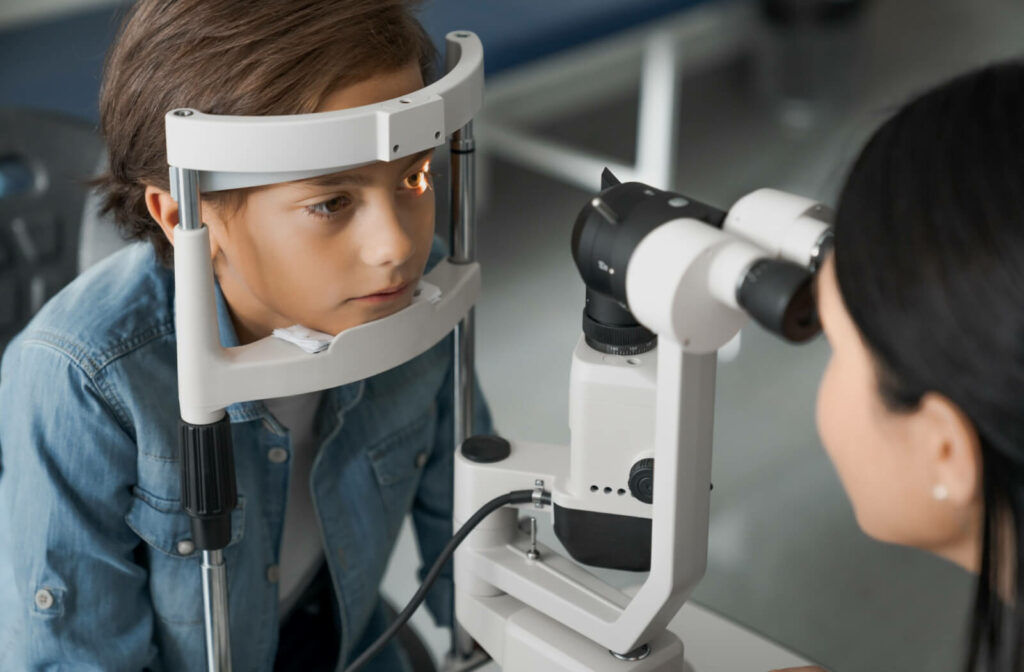
What an Eye Doctor in Peoria & Washington, IL Can Do
What Vision Care Center Offers for Myopia Control
A personalized approach to myopia care goes beyond simply updating your glasses prescription. Depending on your child’s age, lifestyle, and how their myopia is progressing, Vision Care Center may recommend:
- Atropine eye drops, a doctor-prescribed treatment used before bed to slow eye growth
- Multifocal contact lenses like MiSight, designed to correct distance vision while reducing how fast myopia progresses
- Multifocal glasses that signal the eye to stop growing longer
- Ortho-k lenses, worn overnight to gently reshape the cornea so your child can see clearly during the day without glasses or contacts
These options work best as part of a coordinated plan, and the right fit depends on what works for your child and your family.
Why Early Attention Makes a Difference
Children’s eyes continue developing well into their teen years, which means there is a real window where proactive care can help slow how fast myopia progresses. Catching changes early gives the eye doctor more options and more time to work with. A plan built around your child’s specific eyes and lifestyle is more effective than a generic, one-size approach.
For families in the Peoria and Washington, IL area, having a nearby eye doctor who monitors these changes consistently makes that early intervention more accessible. Our team at Vision Care Center sees children’s eye exams as an important step in protecting long-term vision, not just a box to check.
Myopia in Kids vs. Adults: What to Expect
For Children & Teens
Myopia in kids tends to progress most actively during the school years and often stabilizes sometime in the early-to-mid 20s. That progression window is exactly why starting myopia control methods young tends to produce the most noticeable results. The earlier a plan is in place, the more the team can do to slow things down.
As a parent, it helps to know what to watch for. If your child is squinting at the board, sitting closer to the TV, or complaining of headaches after school, those are worth taking seriously. Kids often don’t realize their vision has changed because they have no baseline to compare it to. A routine eye exam is usually how myopia gets caught, which is another reason keeping up with annual visits during the school years matters more than most parents realize.
For younger children or those not ready for contacts, multifocal glasses can be an easy starting point because they look and work like regular glasses but are designed to slow how fast myopia progresses.
For Adults & Seniors
Once you reach early adulthood, your prescription tends to level off and stay relatively stable. The focus at that stage shifts toward keeping your vision clear and comfortable for daily tasks, whether that means driving, reading, or screen work.
That said, aging brings its own set of vision changes. Presbyopia, increased glaucoma risk, and early cataract development are all things that tend to emerge in the 40s and beyond. Regular eye exams remain just as important for adults and seniors to catch those changes before they affect daily life.
Simple Habits That Support Healthier Vision
No habit alone reverses myopia, but consistent small choices can support your eye health over the long run. A few worth adding to your routine:
- Encourage regular outdoor time, especially for school-age kids, since natural light exposure is linked to slower myopia progression
- Follow the 20-20-20 rule during screen time: every 20 minutes, look at something 20 feet away for 20 seconds
- Schedule routine eye exams with your eye doctor to catch any changes before they become harder to manage
These habits are easy to build into a normal day and can make a real difference when practiced consistently.
See What’s Possible With the Right Support
Myopia may not be reversible, but it is manageable, and the earlier you start, the more options you have. Vision Care Center serves families, adults, and seniors across Peoria and Washington, IL with personalized vision care that goes far beyond a simple prescription update.
Longtime patients know our team truly cares about every person who walks through the doors, and that dedication carries through every appointment. Contact our friendly team at Vision Care Center today to schedule your next exam and take the next step toward clearer, more comfortable vision for you or your child.