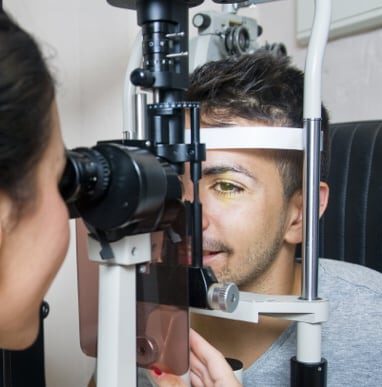

You’ve probably never thought twice about how your eyes work together. When everything is functioning the way it should, your brain quietly receives 2 separate images, 1 from each eye, and blends them into a single, clear picture. It happens in a fraction of a second, without any effort on your part.
Binocular vision dysfunction, or BVD, is caused by a subtle physical misalignment of the eyes that forces your brain and eye muscles to constantly overwork just to keep images in sync. When that process breaks down, as it does with binocular vision dysfunction (BVD), your brain receives 2 competing images, setting off a cycle of strain that can affect far more than just your eyesight.
How Healthy Eyes Work Together
In a healthy visual system, both eyes point at the same target at the same time. Your brain receives signals from each eye, combines them, and produces a single image with depth and dimension. That’s how you can judge distances, catch a ball, or read words on a page without losing your place.
The alignment happens naturally. Your eye muscles shouldn’t have to fight to keep things in sync. Depth perception and 3-dimensional vision just work, quietly, in the background, every waking hour.
What Happens with Binocular Vision Dysfunction
With BVD, your eyes drift out of alignment. Your brain suddenly receives 2 slightly different images, making it harder to combine them into a single picture. To fix that, your eye muscles step in and force the eyes back into sync. Then the eyes drift again. The muscles correct again. This cycle repeats constantly, all day long, and the strain it creates is what drives most BVD symptoms.
Signs Your Eyes May Not Be Working Together
The symptoms resulting from this continuous cycle are often easy to brush off. You might notice a few common warning signs:
- Blurred or double vision during everyday tasks like reading or driving
- Frequent headaches, dizziness, or neck pain without an obvious cause
- Trouble reading, losing your place on a line, or seeing words run together
These symptoms can become more than just minor annoyances as the issue worsens. They’re signs that your visual system is working harder than it should and can sneak past regular vision checks. Schedule a comprehensive evaluation with your optometrist, and we can help find out exactly what’s causing your discomfort.
Symptoms That Often Get Mistaken for Other Conditions
BVD doesn’t always present itself as an obvious vision problem. Many patients experience issues that seem completely unrelated to their eyes.
When your visual system is off balance, your brain works overtime to compensate. That extra effort easily spills over into how you feel physically and emotionally. You may experience these unexpected symptoms:
- Balance issues, nausea, or motion sickness that appear without warning
- Feeling overwhelmed or disoriented in busy, crowded spaces like grocery stores
- Anxiety, a sense of disorientation, or difficulty making eye contact during conversations
Common Misdiagnoses Linked to BVD
Because so many BVD symptoms don’t look like vision problems on the surface, people often spend years chasing other diagnoses. BVD has been misidentified as migraines, sinus problems, vertigo, ADHD, anxiety disorders, and reading disabilities.
Treating those conditions without addressing the underlying visual misalignment rarely brings lasting relief. Diagnosing the actual root cause early on can help prevent these issues from compounding over time.
Does a Regular Eye Exam Detect BVD?
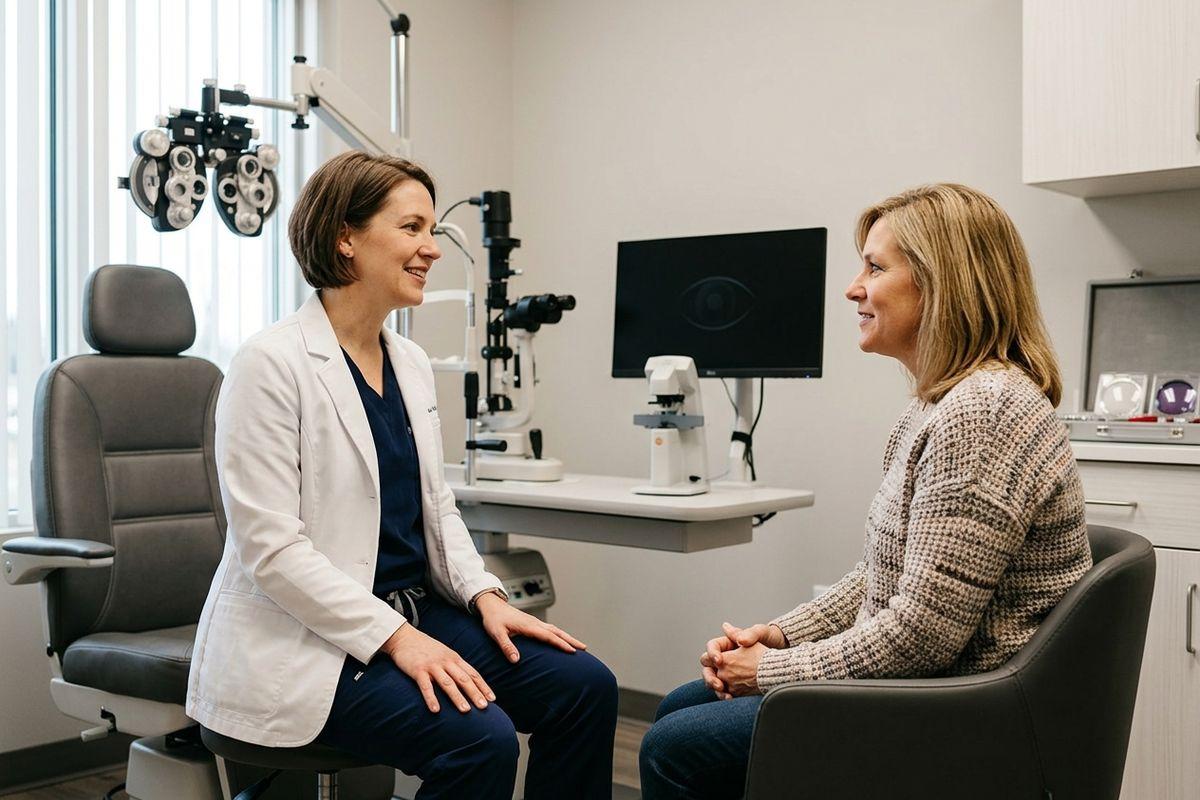
A standard eye exam is thorough and genuinely valuable. It checks how clearly each eye sees, looks at overall eye health, and screens for conditions like glaucoma. For most people, it covers everything they need.
The catch is that routine exams typically only measure how each eye performs on its own. They aren’t designed to catch the subtle misalignments that define BVD. Spotting that kind of dysfunction requires specialized testing that looks at how your eyes and brain coordinate with each other, not just how sharp your vision is.
How BVD Gets Treated
Finding relief from BVD usually involves specialized tools and treatments.
Prism lenses are glasses with a special prescription that redirects light entering the eye, which can help reduce the misalignment your muscles are constantly trying to correct. Vision therapy takes a different approach by training your eyes and brain to coordinate more effectively over time. Many people benefit from a combination of both.
For some patients, Neurolens is another option worth discussing, as it uses contoured prism technology specifically designed to address eye misalignment.
Take Control of Your Visual Comfort
A personalized BVD evaluation at Vision Care Center goes well beyond what a standard exam measures. The team looks at how your eyes work together, not just how well each eye sees on its own. From there, treatment is tailored to your specific needs, because no 2 cases of BVD look exactly alike. Uncovering it earlier can help prevent symptoms from compounding over time.
Stop living with unexplained headaches, reading difficulties, or balance issues. Reach out to Vision Care Center and schedule a BVD evaluation today.