Key Takeaways
- Stress can show up as real, physical symptoms in your eyes.
- Signs include blurry vision, eye twitching, and headaches near the temples.
- Stress can make existing eye coordination problems worse.
- Children, adults, and seniors are all affected in different ways.
- A full eye exam can help identify what’s going on and point you toward relief.
How Stress Impacts Your Eyes
You’ve had a long week. Your eyes feel tired, your vision seems a little off, and you keep getting headaches. It’s easy to blame the screen time, but stress itself could be playing a bigger role than you think. Vision Care Center sees this connection between stress and vision more often than most people expect, and the signs are worth knowing.
Yes, stress can directly affect your eyesight, and the symptoms can range from mild discomfort to noticeable changes in how clearly you see. Your body doesn’t keep stress contained to your mind. It spreads, and your eyes feel it too. If your vision has felt off lately, a comprehensive eye exam can help you get to the bottom of it.
The Body’s Response to Stress
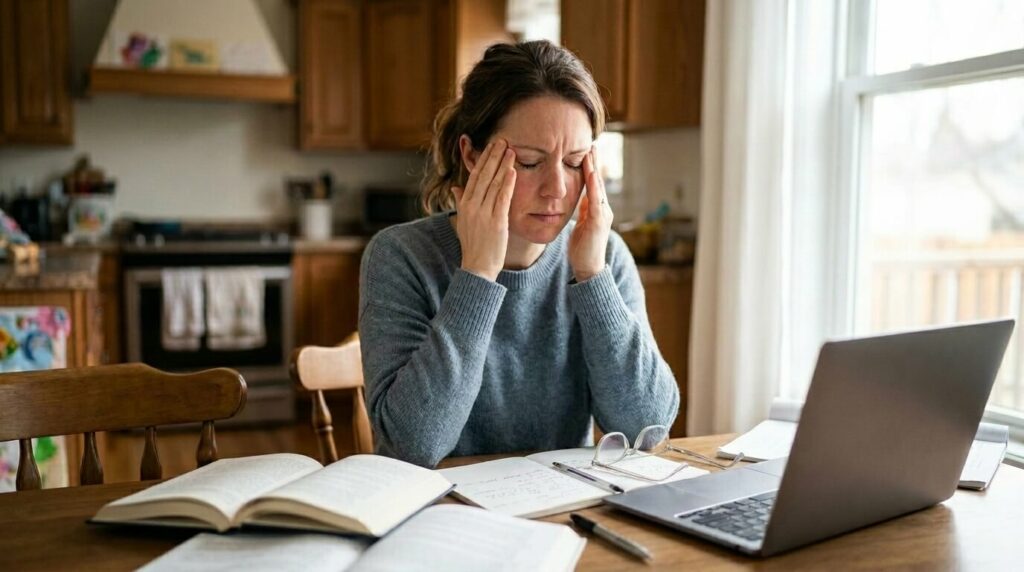
When you’re under stress, your body tightens up. Muscles around your eyes and temples can become tense, which puts real strain on your visual system. These reactions can build up slowly over time or hit you all at once after a particularly hard day.
Your eyes are more sensitive to tension than most people realize. The more stress you carry, the more likely it is to show up in how your eyes feel and function throughout the day.
Signs Your Eyes May Be Stressed
Stress-related eye symptoms are easy to overlook because they often feel like everyday tiredness. Keep an eye out for these signs:
- Blurry or fluctuating vision
- Eye twitching or sensitivity to light
- Headaches around the eyes or temples
If any of these feel familiar, stress may be a contributing factor. These symptoms don’t always mean something is seriously wrong, but they’re worth paying attention to. You can read more about how headaches and vision are connected to better understand what your body might be telling you.
Stress & Binocular Vision: What You Should Know
When Stress Affects Eye Coordination
Binocular vision is how your two eyes work together as a team. When stress is high, that teamwork can break down. You might notice double vision, trouble focusing, or a feeling that your eyes just aren’t cooperating the way they should.
For people who already have some level of eye coordination difficulty, stress can make it noticeably worse. Tasks that felt manageable on a calm day can suddenly feel much harder when you’re under pressure. Learning more about binocular vision dysfunction can help you recognize whether stress is amplifying an underlying issue.
Who Is Most at Risk
Stress-related vision changes can affect anyone, but some people feel it more than others. Those who tend to notice it most include:
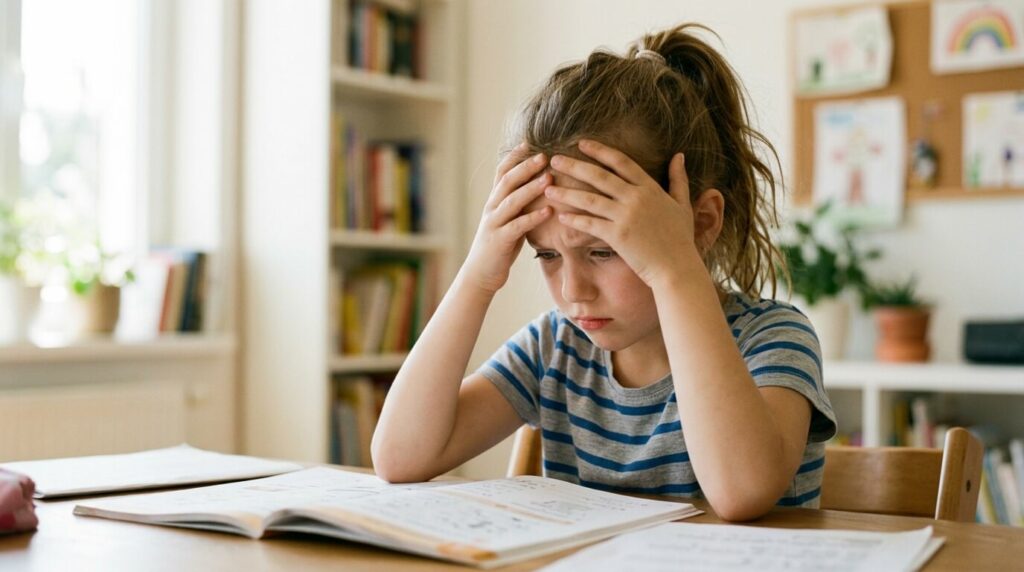
- Children managing heavy screen time or school pressure
- Adults in high-demand work environments
- Seniors dealing with health-related stress
Knowing where you or your child falls in that picture can help you take the right steps sooner rather than later. For children especially, recognizing early warning signs of vision problems makes a meaningful difference in how quickly they get the right support.
Common Vision Symptoms Linked to Stress
Stress doesn’t always announce itself. Sometimes it quietly changes how your eyes work throughout the day. Watch for these common symptoms:
- Difficulty focusing on near or far objects
- Increased eye strain after short tasks
- Dry, tired, or sore eyes throughout the day
These symptoms can overlap with other conditions, which is exactly why a proper eye exam matters. Getting a clear picture of what’s actually happening is the first step toward feeling better. The American Optometric Association recommends regular comprehensive eye exams as a key part of catching these kinds of changes early.
When to See an Eye Doctor in Peoria & Washington, IL
Symptoms Worth a Closer Look
Some eye symptoms fade after a good night’s sleep. Others stick around and start getting in the way of your daily life. If you notice vision changes lasting more than a few days, or eye discomfort that makes it hard to read, drive, or work, that’s a good time to schedule an exam.
You don’t have to wait until something feels seriously wrong. Catching changes early gives you more options and a clearer path forward. You can book an appointment at either location to get started.
What a Vision Evaluation Can Reveal
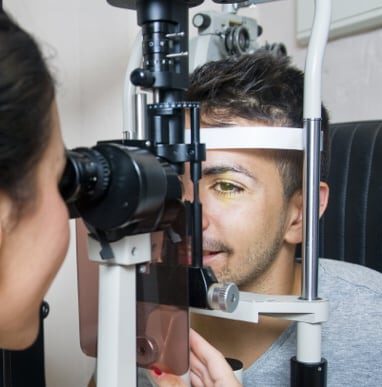
A thorough eye exam can detect changes in how your eyes are functioning, including stress-related shifts that you might not connect to your vision at all. The team at Vision Care Center can rule out other possible causes and get a full picture of your eye health.
For some people, vision therapy can be a helpful next step, especially when stress has been affecting eye coordination or focus. A personalized evaluation helps figure out what kind of care makes the most sense for you.
Simple Ways to Support Your Eye Health
Daily Habits That Help
Small changes to your daily routine can make a real difference in how your eyes feel. Two of the simplest ones are also two of the most overlooked. Take a screen break every 20 minutes, even just looking across the room for a moment helps. The 20-20-20 rule is an easy way to build that habit. Drink enough water throughout the day too, because dehydration shows up in your eyes faster than you might expect.
Long-Term Eye Care for the Whole Family
Routine eye exams aren’t just for when something feels wrong. They’re how you stay ahead of changes before they become bigger problems. That goes for every member of your family, from young kids to older adults.
Addressing vision concerns early tends to lead to better outcomes, and consistent care over time helps protect the long-term health of your eyes. Your trusted eye doctors at Vision Care Center in Peoria & Washington, IL, are here to support your family’s vision at every stage of life.
Contact us today to schedule your next exam.