
When your eyes work together as a team, your brain sees one clear, focused image. This is called binocular vision. But sometimes, the eyes don’t line up perfectly. This misalignment is a condition called binocular vision dysfunction (BVD). This may cause the eye muscles and brain to work overtime in an attempt to correct it.
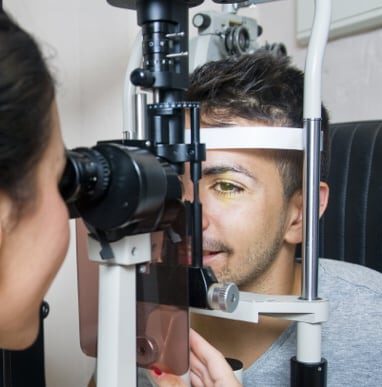
An eye doctor can diagnose BVD through a complete binocular vision exam that measures how your eyes work together as a team. This specialized assessment goes beyond a typical eye test to help find the source of your symptoms.
Common Signs and Symptoms of BVD
The signs of BVD can show up in different ways for different people, and you might not connect them to your vision at first. These symptoms often affect much more than just eyesight. Many people experience a combination of symptoms across a few categories.
Discomfort
Physical discomfort is a frequent sign that your eye muscles are overworked. You may notice:
- Headaches or pain behind your eyes
- Eye strain, especially when looking at screens
- Neck and shoulder tension
Visual Effects
Your vision itself might feel off, even if you see letters clearly. These feelings can include, but aren’t limited to:
- Blurred or shadowed vision
- Double vision
- Sensitivity to bright lights
Balance and Coordination Issues
When your eyes struggle to work together, it can affect your sense of space and balance. This may lead to:
- Dizziness or lightheadedness
- Motion sickness
- Problems with balance or coordination
- A feeling of disorientation, especially in large, open spaces
Reading and Focus Difficulties
Close-up tasks can become very tiring when you have BVD. Common challenges include:
- Trouble concentrating on what you read
- Losing your place while you read, which can be caused by difficulties with eye-tracking
- Skipping lines of text
- Eye fatigue during reading or computer use
What Causes Binocular Vision Dysfunction?
BVD happens when your eyes are slightly misaligned. This forces the small muscles in your eyes to constantly pull them back into the correct position. Imagine having to hold a glass of water up in front of you all the time: This ongoing strain is what leads to symptoms.
Your Eyes Should Work Together
Each of your eyes sees the world from a slightly different angle. Your brain takes these 2 separate images and combines them into a single picture. This process depends on precise eye alignment and coordination.
Possible Reasons for Misalignment
Some people may be born with a slight misalignment that becomes more noticeable over time. For others, it can develop after a head injury, like a concussion, or be related to a brain condition. Often, there isn’t a single clear cause for the misalignment.
The Diagnosis Process
To find out if BVD is the source of your symptoms, you need a specific type of eye examination. This process goes much deeper than a standard vision test, which checks how clearly you see letters on a chart.
Your Health and Symptom History
The first step is a detailed conversation with your eye doctor. It’s important to share everything you experience. Even things like dizziness, anxiety in stores, or trouble driving could be important information.
A Binocular Vision Exam
An eye doctor will perform a binocular vision assessment to evaluate how your eyes work together. If you’re looking for an eye doctor, it’s helpful to find one who performs these specialized tests. This detailed exam is the key to an accurate diagnosis.
Qualifications for Diagnosing BVD
A routine eye exam checks for eye health and determines your prescription for glasses. A binocular vision exam is different because it focuses specifically on eye alignment, how your eyes work together, and coordination. Optometrists with experience in these areas can diagnose BVD.

What to Expect During a BVD Assessment
During the exam, your eye doctor will guide you through a series of tests to measure your visual skills. These tests are designed to detect even the smallest misalignments that can cause BVD symptoms. The entire process is comfortable and uninvasive.
Key Visual Skills Tested
The assessment looks at several key areas to get a full picture of your vision. Improving these abilities is often the focus of vision therapy programs. Your eye doctor may evaluate the following:
- Eye coordination and movement: This checks if your eyes can work together as a team to follow an object.
- Eye focus: Your eye doctor can see how well your eyes adjust their focus when you look at things up close and far away.
- Depth perception: This assesses your ability to see in 3 dimensions and judge how far away objects are.
- Eye alignment: Special tests, sometimes using prism lenses, can measure the exact degree of misalignment between your eyes.
Next Steps: From Assessment to Relief
If your symptoms interfere with daily activities, like reading, working on a computer, or driving, it may be time for an evaluation. An accurate diagnosis is the first step toward finding relief. From there, you can explore a plan that helps you feel more comfortable.
The Importance of an Accurate Diagnosis
The symptoms of BVD can sometimes overlap with other conditions. A complete binocular vision assessment helps pinpoint the exact cause of your difficulties. This helps your eye doctor recommend the right support for your specific needs.
Will Glasses Fix BVD?
For many people, treatment involves specialized glasses that contain a small amount of prism. These micro-prism lenses bend light in a way that helps your brain merge the images from both eyes into one clear picture. This can help reduce the constant muscle strain that causes symptoms.
Book an Appointment with an Optometrist
At Vision Care Center, we are dedicated to helping every person who walks through our doors find answers and relief. We believe in providing in-depth care tailored to your personal needs. If you’re ready to take the next step, contact us today to schedule your comprehensive binocular vision assessment in Peoria and Washington, Illinois.